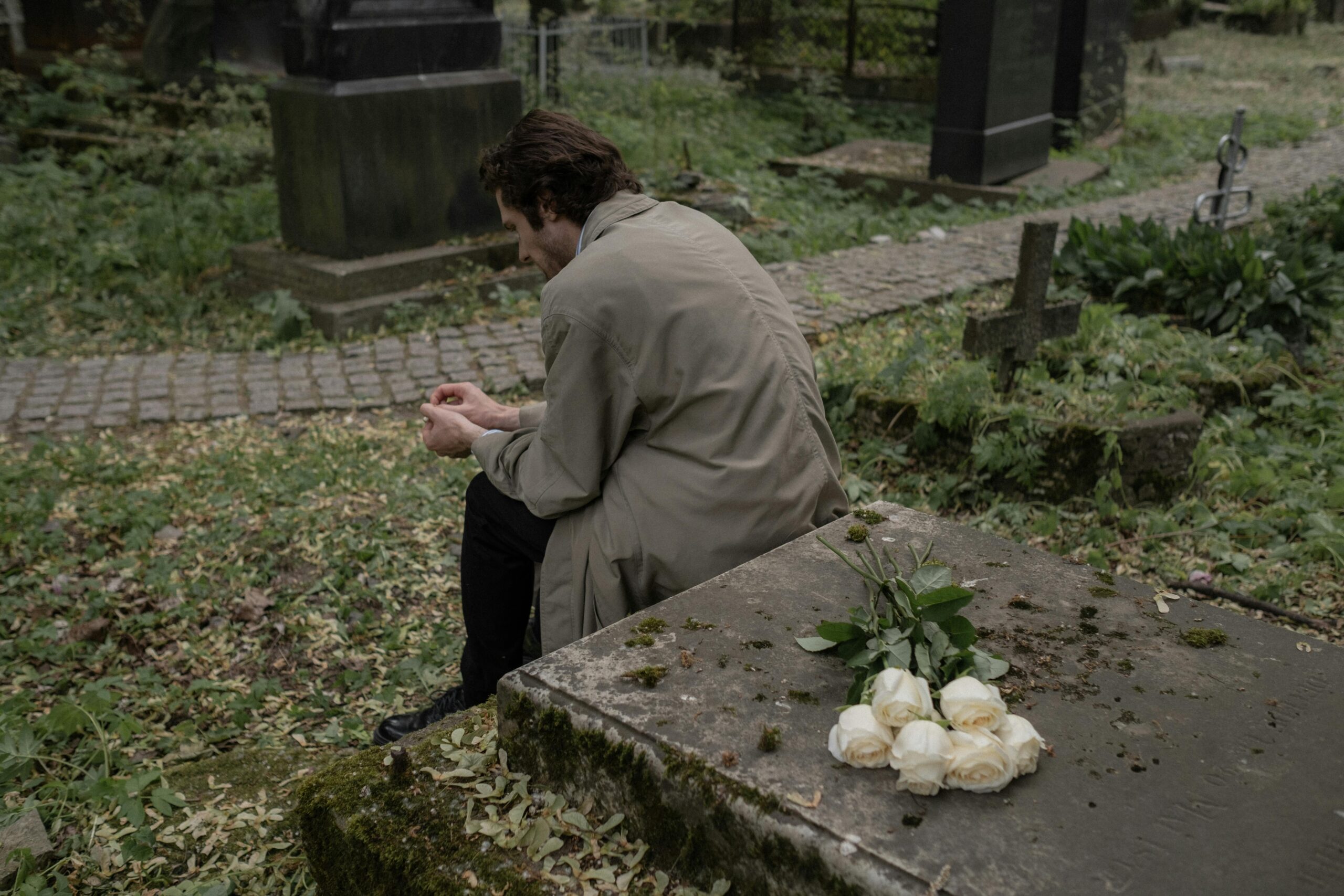
This very question is enough to offend people. Why is that? Our society classifies just about everything else into normal ranges. We have normal weights, standard test scores, average alcohol consumption, routine spending habits and median household incomes. What is so special about grief?
We live in a death denying culture. When we talk about death, we do so in whispers as though fearful that death may hear us and become wrathful. We dread the unavoidable yet inconceivable finality of it. You and everyone you love will pass on someday. Perhaps it is this distasteful reality that has caused us to avoid the subject as a society. In doing so, we lose the opportunity to better understand a phenomenon that is universal, complex and causes a great deal of suffering.
An emerging body of research out of Columbia University’s Institute for Prolonged Grief and New York University’s School of Social Work aims at providing a better understanding among the variability of grief experiences among a wide range of people. The goal is quite logical. If we are to help people who are suffering, we first need to better understand their suffering. The condition of grief, by its very definition, includes some degree of suffering. It only makes sense to distinguish what is to be expected from that which is unbearable.
What is the point of quantifying grief? The point is that some people’s grief is pathological and unlikely to abate without therapeutic intervention. We need to be able to distinguish these people from the general population if we are to to help them. That is the point of the research. Contrary to popular belief, there is no reason to believe that grief consists of the five phases of denial, anger, bargaining, depression and acceptance. I’ve explained that in greater detail in another blog post “The Myth of the Five Phases of Grief” on my website, EricBrickerLMHC.com.
According to the research, most people pass through two distinct phases described as the acute and the integrated phases of grief. The acute phase includes the greatest degree of suffering. It is described as a period of intense emotions that includes a preoccupation with thoughts of the deceased. During the acute phase, grieving individuals will often have difficulty engaging in activities that would be considered normal for them. This will likely be reflected within the context of social and occupational functioning in addition to emotional wellbeing. On average, the acute phase will last from 6 months to one year. The duration of acute grief is impacted by multiple factors including cultural expectations, the person’s relationship to the deceased, circumstances surrounding death and the individual’s physical and emotional wellbeing prior to the loss.
In most cases, the integrated phase will follow the acute phase. During integrated grief, the individual will have adapted to the loss and can meaningfully re-engage in life without the deceased. They have returned to work and started socializing again. The grief has moved more into the background. There may be very difficult days or moments including anniversary reactions and difficulty during the holidays, but there is reason to feel that the person is gradually moving forward.
What does this all mean? First, it’s a nuanced subject matter with a great deal of individual variability based on a multitude of factors. However, what is useful is that we now have a general guideline for what falls within normal limits for the greatest number of people. This gives us a little bit more of an insight into those who fall outside of these limits. In either case, the goal of the grief therapist is to help the individual navigate from the acute phase and into the integrated phase. There are people who will do this on their own without professional help, and there are people for whom therapy is extremely beneficial. There are also people for whom the transition from acute grief into integrated grief may not be possible without professional intervention. This is a conversation that you want to have with someone who understands the subject matter. On my website, EricBrickerLMHC.com, there are also a number of blog posts like this one that address grief and loss. In addition, my podcast “The Good Counsel Podcast” features several episodes that address this subject matter. These are also available on my website. For individual consultation, please contact at ericbrickerlmhc@gmail.com. Thank you for your interest and attention.
Photo by Cotton Bro Studio